They left this world
Alas, our Cutis Laxa Family is once again in mourning.
Tammy passed away on September 12th.
Rest in Peace

Alas, our Cutis Laxa Family is once again in mourning.
Tammy passed away on September 12th.
Rest in Peace

Marie, Rachel, Gavin Du, Meryem and Hassan Ali, Atyaf, Adam, Sahylin, Stephanie, Inaya, Zimi, Youssif and Ahmed, Roqaya, Mohamed and Ahmed, and Josué joined us over the last six month. Including them, there are now 596 patients worldwide who our Big Cutis Laxa Family is helping, supporting and accompanying in their search for answers to their questions.

Cecile first appeared in the media on September 12, 2001.

This program “Ca se discus”, whose title was “How to be good in your skin”, was the trigger for the story of “Cutis Laxa International” because it allowed for the first time to talk about the disease, but above all to let the patients know that they were not alone and that we were “At the beginning of a Great Story…. All together”
September 22nd:
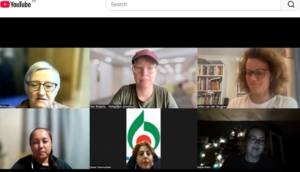

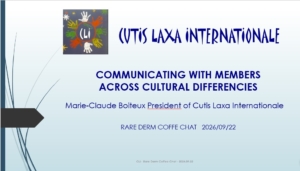
Marie-Claude Boiteux moderated the “Coffee-Chat” of Globalskin on the theme “Communicating with members of the association through cultural differences”. She shared her experience within Cutis Laxa International.
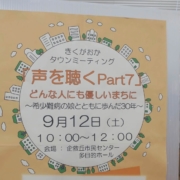
12th September 2026:
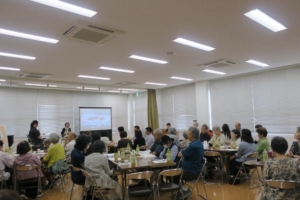
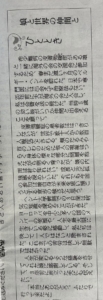
The 7th Cutis Laxa Days sometimes have very positive and quite unexpected effects. They allowed Sayaka’s mother to overcome her fears and certain prejudices and to agree to share her testimony during a mini-conference that welcomed about sixty people, and an article in the media. Bravo!
1st-3rd July 2026:

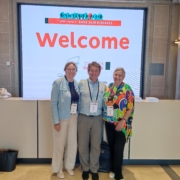
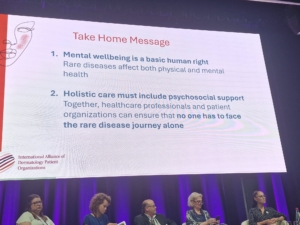
The 3rd World Congress on Rare Skin Disorders (WCRSD) was held at the Palais des Congress in Versailles. For this 3rd edition, a plenary session was entirely dedicated to patients.As members of the organizing committee, we had decided to highlight the work that associations do. The theme of this session was mental health in rare dermatological diseases.
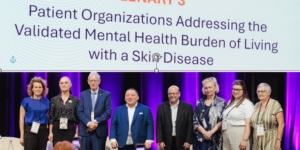
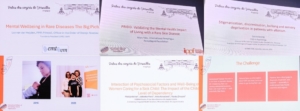
Six speakers presented the publications and work done by the organisations :
Mental Wellbeing in Rare Disease;
PRIDD: Validating the Mental Health Impact of Living with a Rare Skin Disease ;
Psychological States of Loneliness, Social Isolation and Psychological Deprivation in Patients with Albinism. ;
The Profound Impact on Mental Health when Living with Ichthyosis: A Qualitative Study ;
Interaction of Psychosocial Factors and Well-Being of Women Caring for a Sick Child: The Impact of the Child’s Level of Dependency ;
Addressing the Mental Health Needs of Rare Skin Disease Patients: Generalized Pustulous Psoriasis Care Network.
A very rich session, of great interest to the audience.
A congress as interesting as ever: moments of exchange with associative “colleagues”,
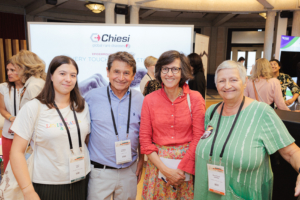
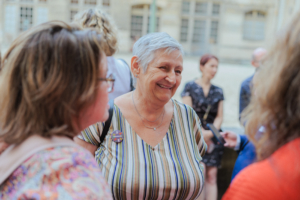
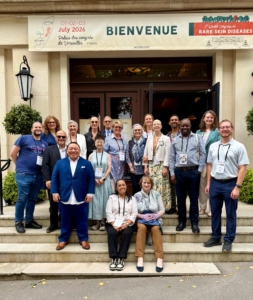
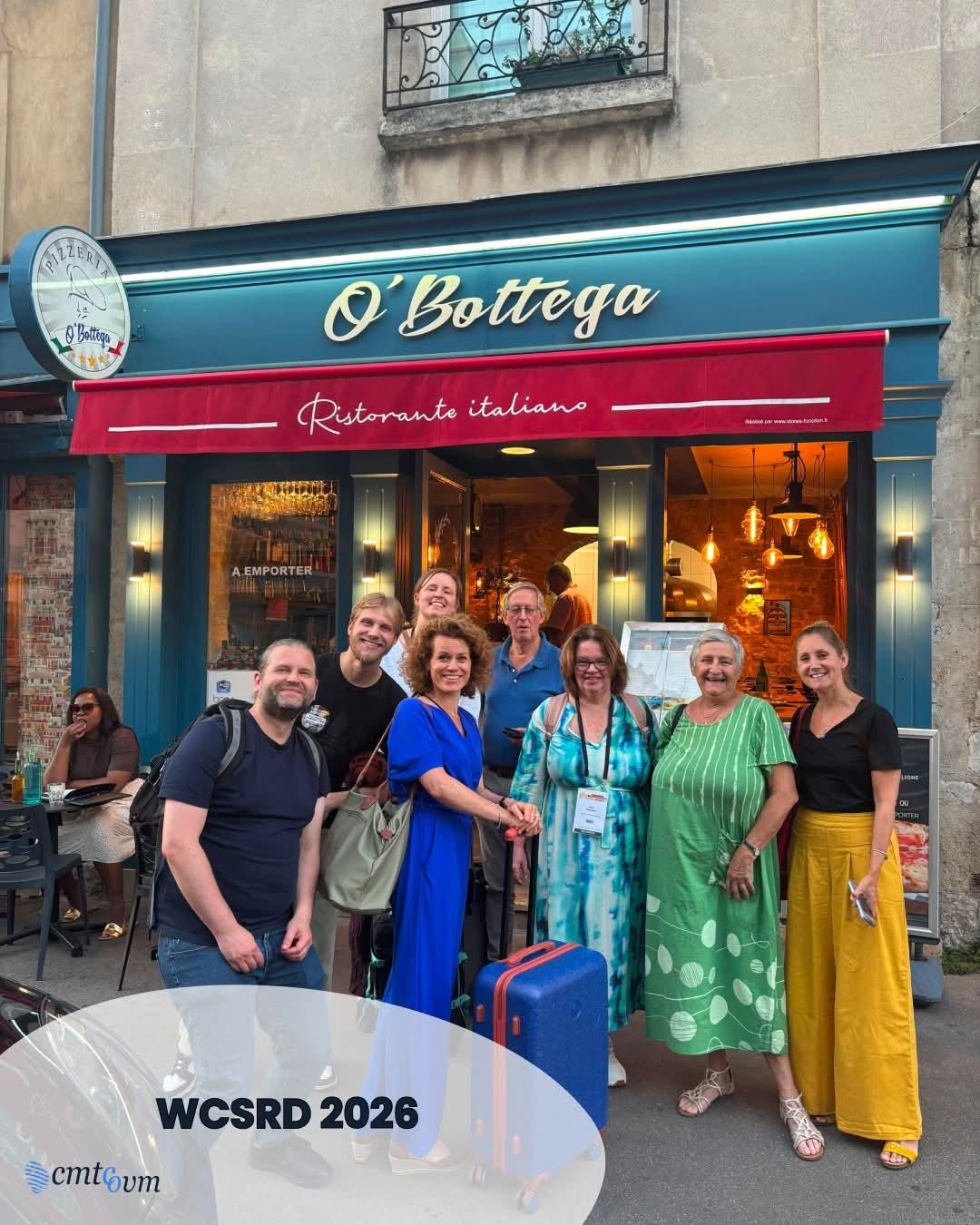
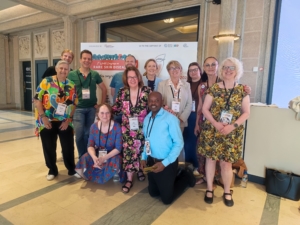
enriching presentations,
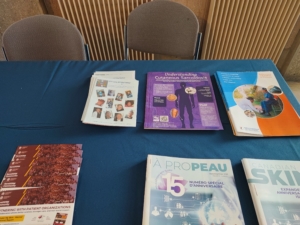
a stand to introduce ourselves,
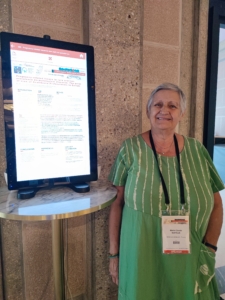
a poster,
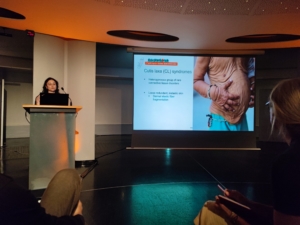
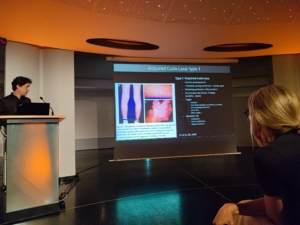
a session dedicated to Cutis Laxa
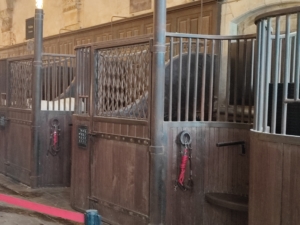
and a magnificent evening in the stables of the castle.
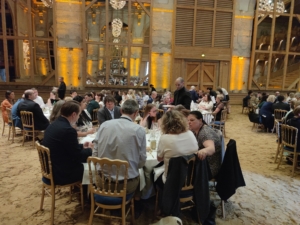
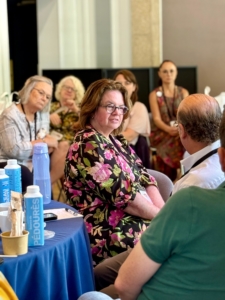
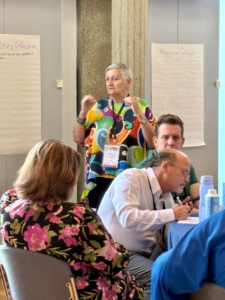
It was also an opportunity to meet members of Globalskin for a working session on rare dermatological diseases
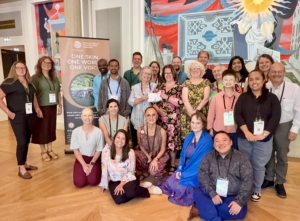

June 2026
Young Dermatologists Review:
“From loneliness to an international organization”
the story of Cutis Laxa Internationale.
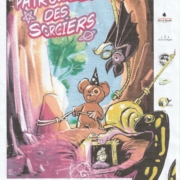
20th and 21st June 2026:
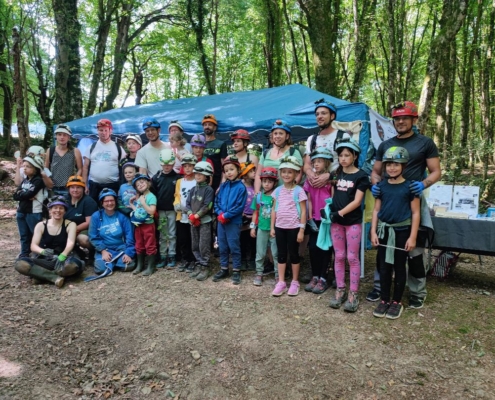
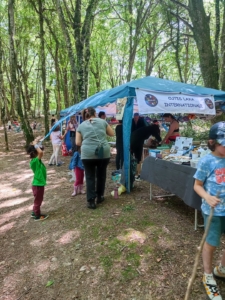
Roxanne’s parents are passionate about potholing/caving and, with their club, they organized a weekend of discovery of this original sport, to the benefit of Cutis Laxa Internationale.
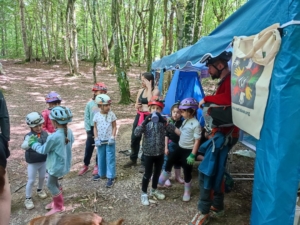
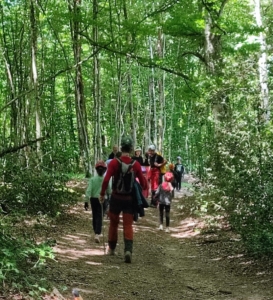
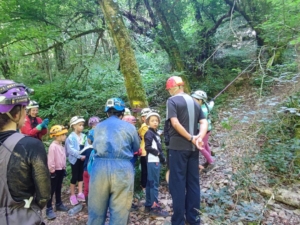
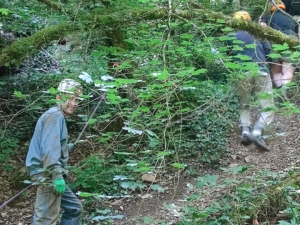
Entitled “The Sorcerers’ Patrol”, intended for young and old, it was a hunt for underground treasures in the depths of the Torcieu forest in Dorvan (Ain-France).
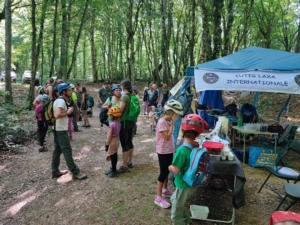
A great opportunity to get Cutis Laxa known
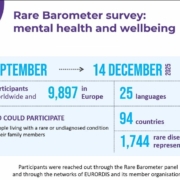

In June 2026, RareBarometer, Eurordis’ polling organisation, published the results of the survey conducted in 17 European countries from 11th September to 14th December 2025. 130 people representing 13 rare skin diseases responded.
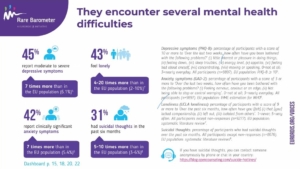
The figures speak for themselves:

13th June :
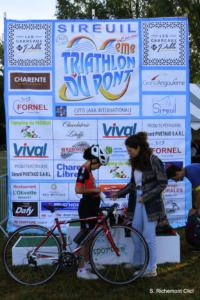
For its 20th edition, the Sireuil Triathlon ran was again dedicated to Cutis Laxa International. Always as festive, as sporty as ever, this faithful event by our side helps us to finance our projects.
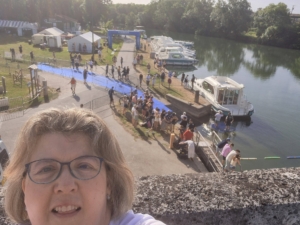
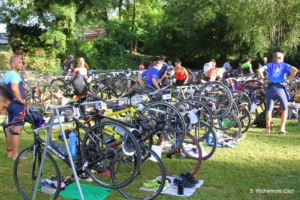
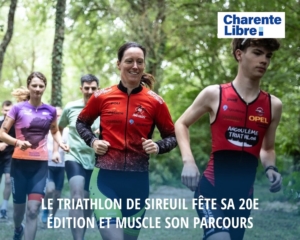
Thank you to all the organizers, thank you to all the volunteers, thank you to all the runners.