Dermatology and Venereology Meeting 2023

2nd & 3rd March 2023 :
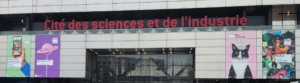
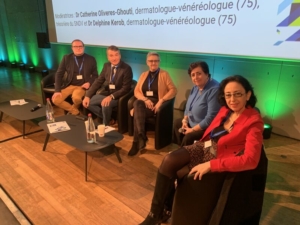
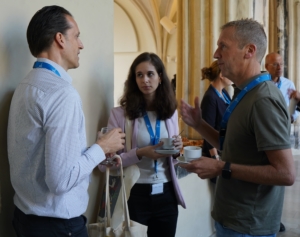
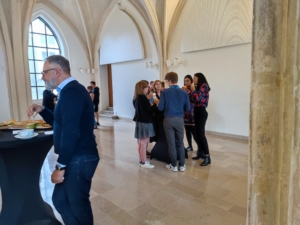
The National Union of Dermatologists-Venereologists (SNDV) organised a Dermatology Venereology Meeting (RDV 2023) in “La Cité des Sciences” in Paris.
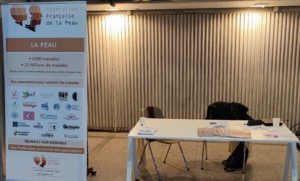
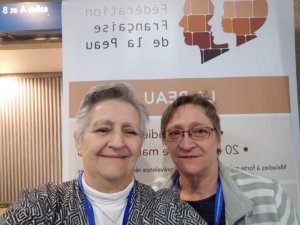
 

The French Federation for Skin (FFP) stall was held by Hélène Raynal, the Secretary.
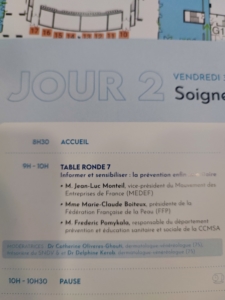
 

During the roundtable « Information and awareness : Prevention a priority, at last », Marie-Claude Boiteux spoke as patients’ representative and brought forward patients’ contribution to further raise awareness.


 

These two days ended beautifully with a cabaret show offered by the SNDV.
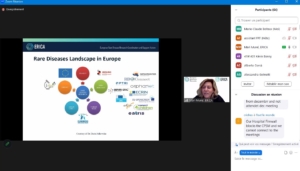
ERN-Skin ANNUAL BOARD MEETING

13th January 2023 :

ERN-Skin Board Meeting.
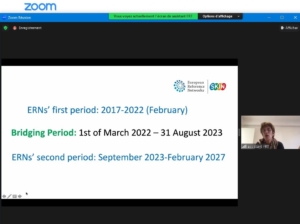
2023 is a transitional year for all ERNs.
The first 5-year period ended in 2022. 2023 will therefore be a transition and evaluation year before a new validation by the EU for a new 5-year period to 2028.


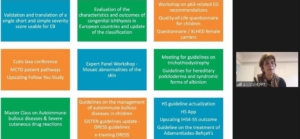
The meeting was an opportunity to take stock of what was done and present future projects.

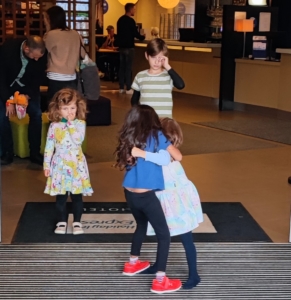
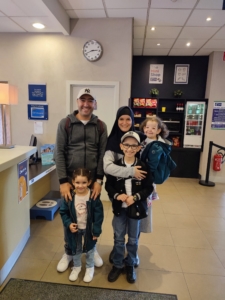
GOOD-BYE

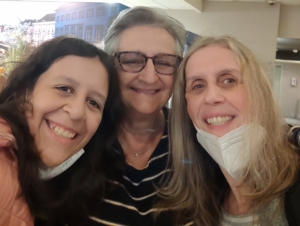
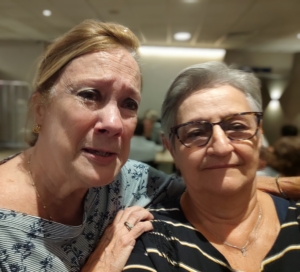
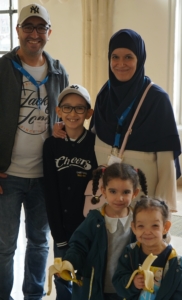
Time to go home….. It is so hard to leave each other.

Longing to meet again ……. Roll on the 7th Days …

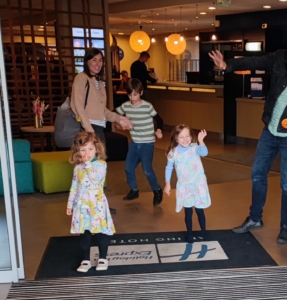
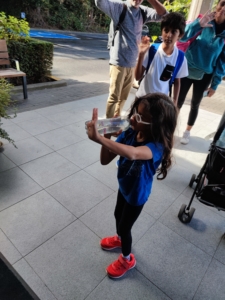
Breaks and Fun Times

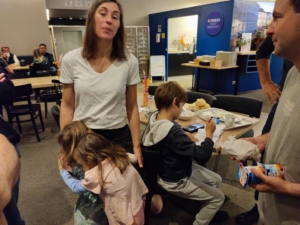
SYMPOSIUM LUNCH BREAK

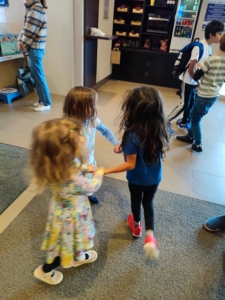
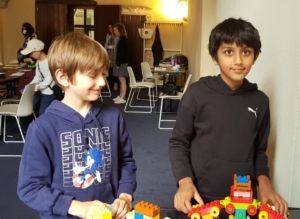
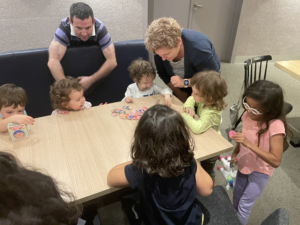
CHILDREN GAMES

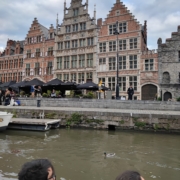
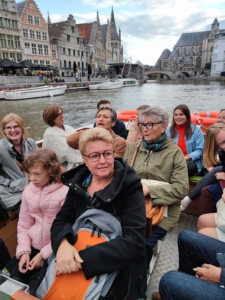
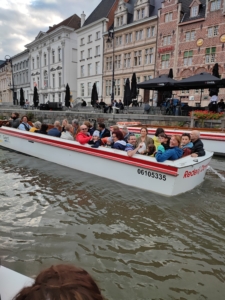
BOAT TOUR

Diner Times

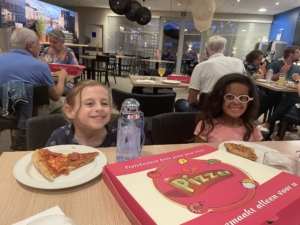
PIZZAS

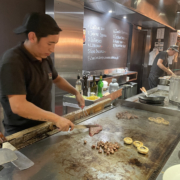
CHINESE WOK

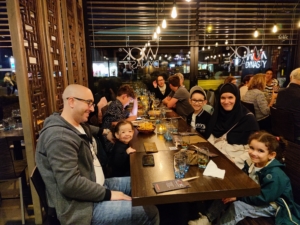
FESTIVE DINER


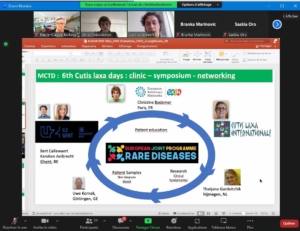
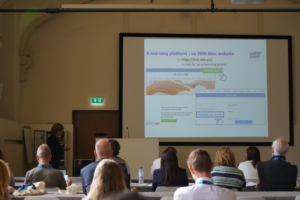
Prof. Dr. Christine Bodemer, MD (Paris, France) : Embedding CL in ERN Skin & ERN-Ithaca

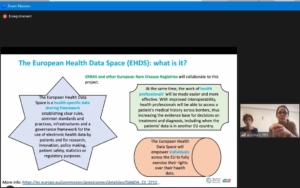
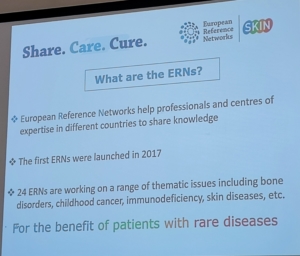
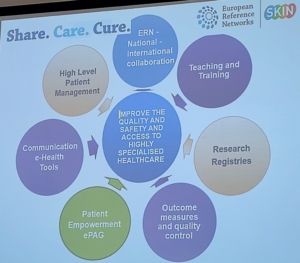
The European Reference Networks (ERNs) set up by the European Commission allow a collaboration between all health professionals concerned by a specific disorder throughout Europe.

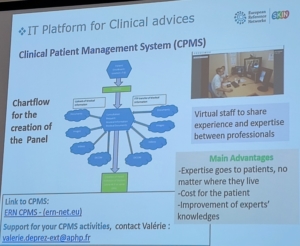
They also allow the discussion of more difficult cases, online, thanks to the Clinical Patient Management System (CPMS) plateform.

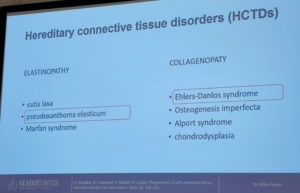
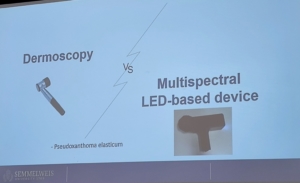
Mrs Klára Farkas, MD (Budapest, Hungary) : Potential applications and value of novel skin imaging techniques in connective tissue disorders

In this presentation we introduce novel imaging techniques including nonlinear optical (NLO) microscopy, multispectral imaging and high-frequency ultrasounds (HFUS) to visualize the characteristic changes in  Connective Tissue Disorders (CTDs).

The novel imaging techniques may prove useful in the early diagnosis of CTDs.

They may be also used for the objective follow-up of the progression of CTDs, and the assessment of the efficacy of novel therapeutic approaches in the future.

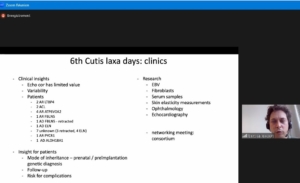
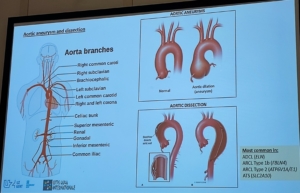
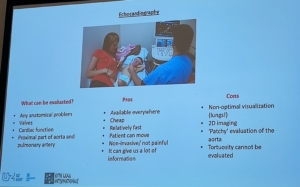
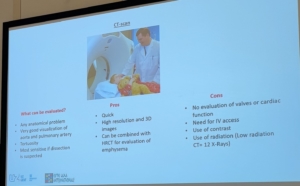
Dr. Laura Muiño Mosquera, MD (Ghent, Belgium) : Cardiovascular Follow-up in CL

Cutis Laxa disorders usually present cardiovascular issues that need a specific follow up.

Various devices can be used such as echocardiography, CT-Scan and MRI.

Each one of those devices has its pros and cons and must be chosen according to what is examined.

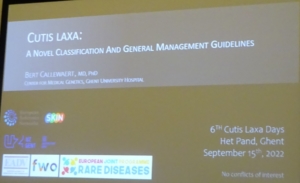
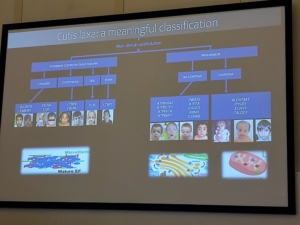
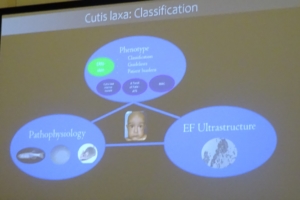
Prof. Dr. Bert Callewaert (Ghent – Belgium) : CL Classification and Guidelines for Global Management

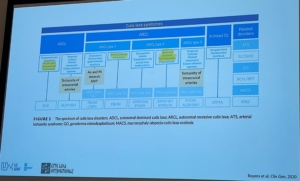
This new classification will simplify the diagnostic process and identify relevant Cutis Laxa subgroups with regard to management and clinical research.

In addition, identification of the underlying genetic defect may end the diagnostic odyssey, further stratify management, and may provide (im)partial answers to future health issues.

Furthermore, it provides answers to potential recurrence risks in the offspring of patients and relatives as well as the use of diverse reproductive options.

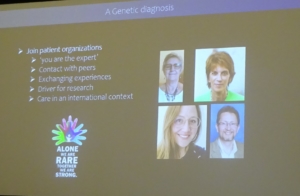
Finally, connecting with peers provides support and encourages participation into patient-centered research aiming at a better quality of life and-hopefully- more directed therapeutic options.