7th CUTIS LAXA DAYS
4th to 6th February 2026
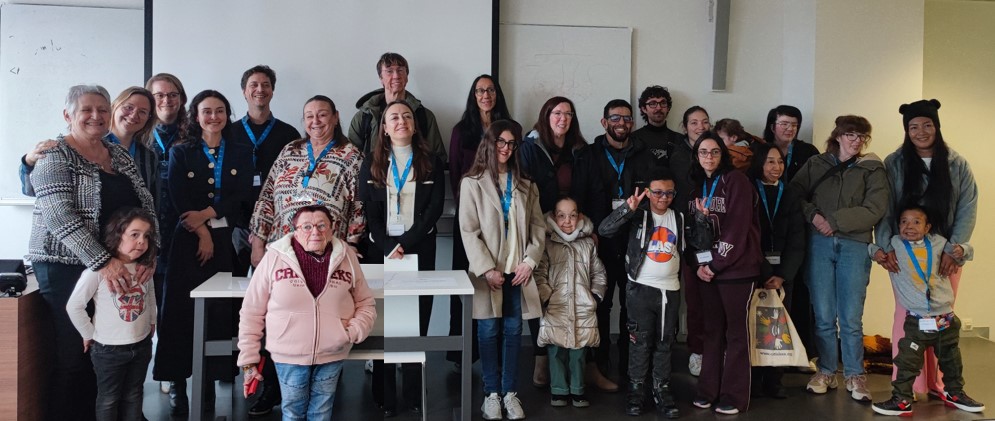

4th to 6th February 2026
After several months of preparation, the Cutis Laxa Days are still a special moment in the life of Cutis Laxa International. They are the realization of our objectives: To break the loneliness of patients, to help research and to increase knowledge for this ultra-rare disease.
I want to thank all the researchers for adapting the language of their presentations so that patients and families can understand and acquire the information necessary to better understand their disease. It is very important for patients to be able to keep abreast of the latest scientific discoveries and, by knowing their disease better, to be an actor in its care
Thank you to Prof. Bert Callewaert and his entire team for their listening and kindness during the consultations. Thank you to all the volunteers who took care of the siblings of the sick children and freed the parents. The support of everyone was necessary.
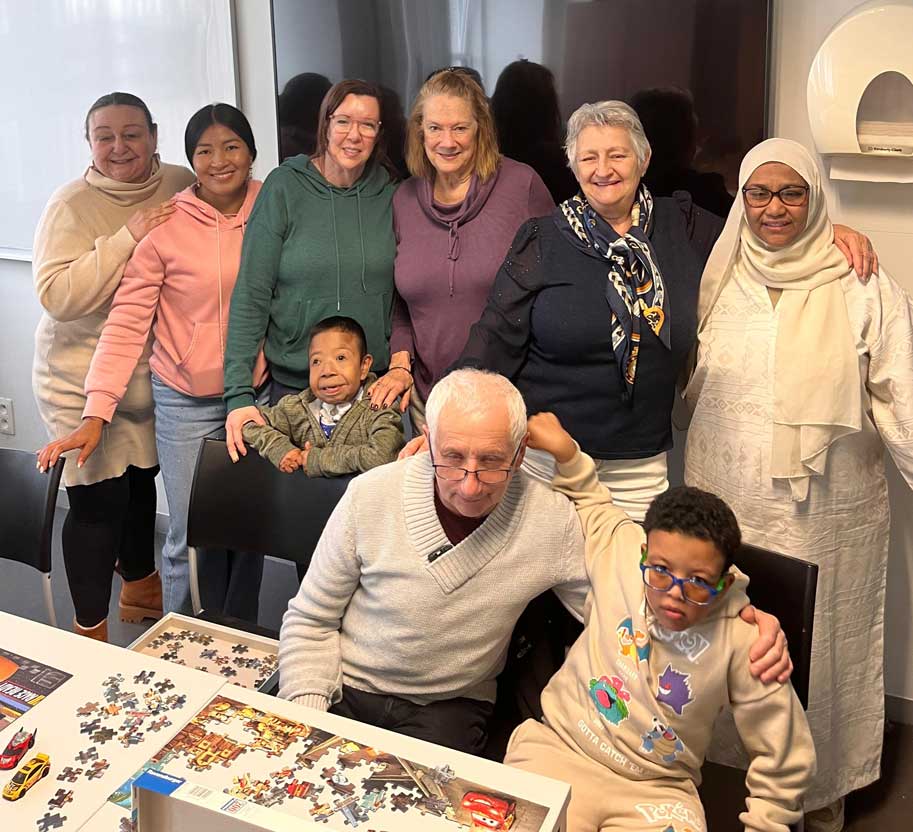
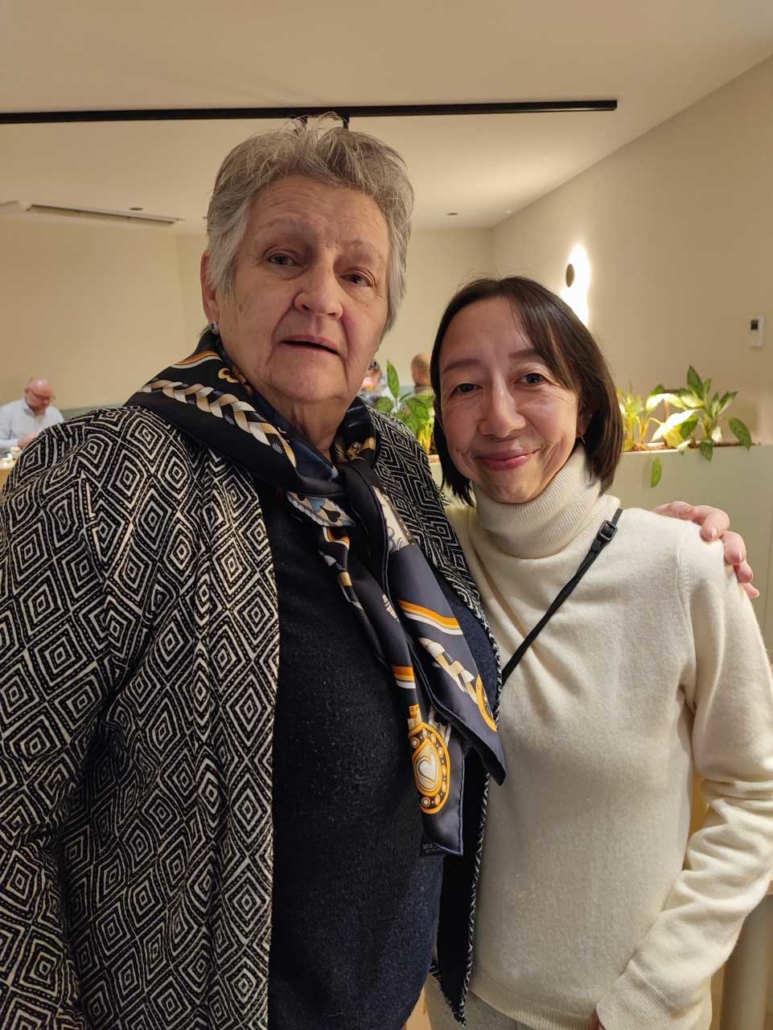
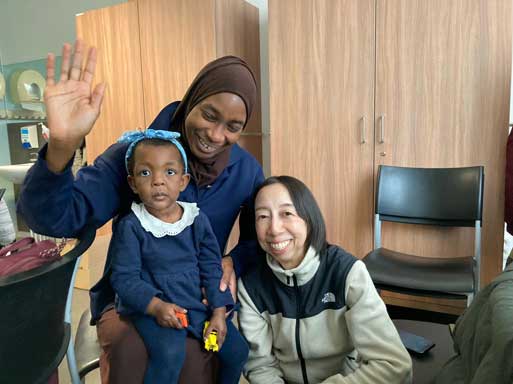
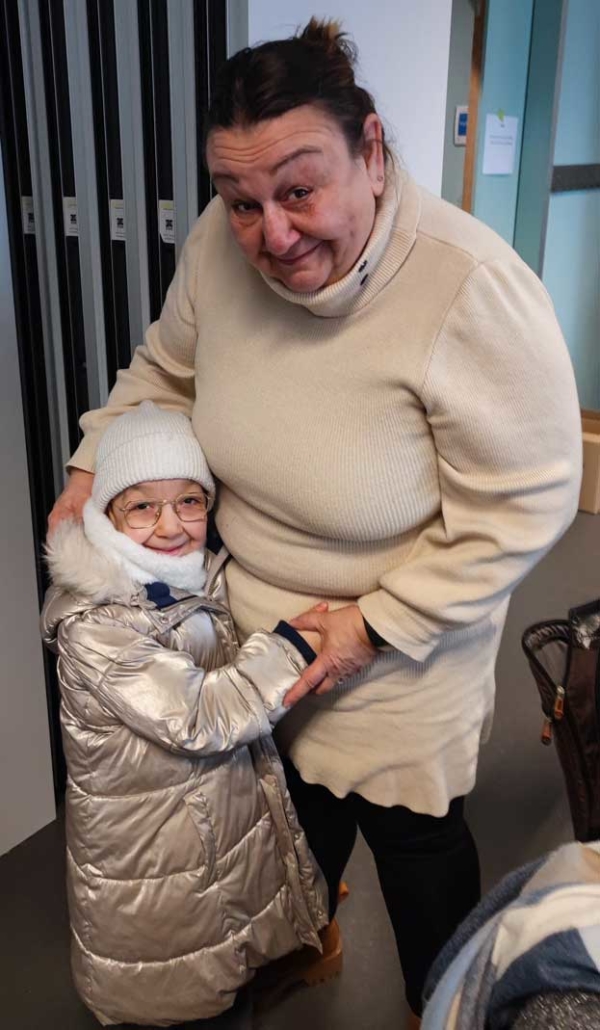
I keep with me the smiles, the hugs, the moments of joy and sharing of those who met or got to know each other, and your messages. They are gifts.
Marie-Claude Boiteux, Chair
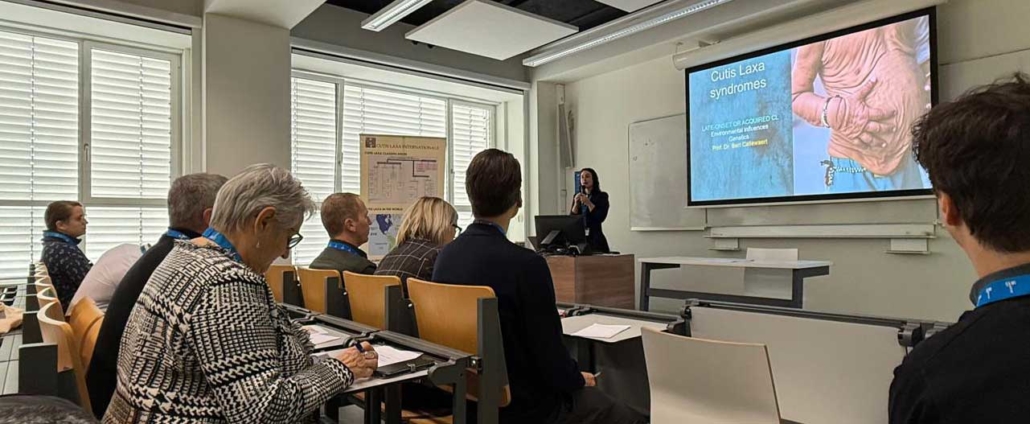
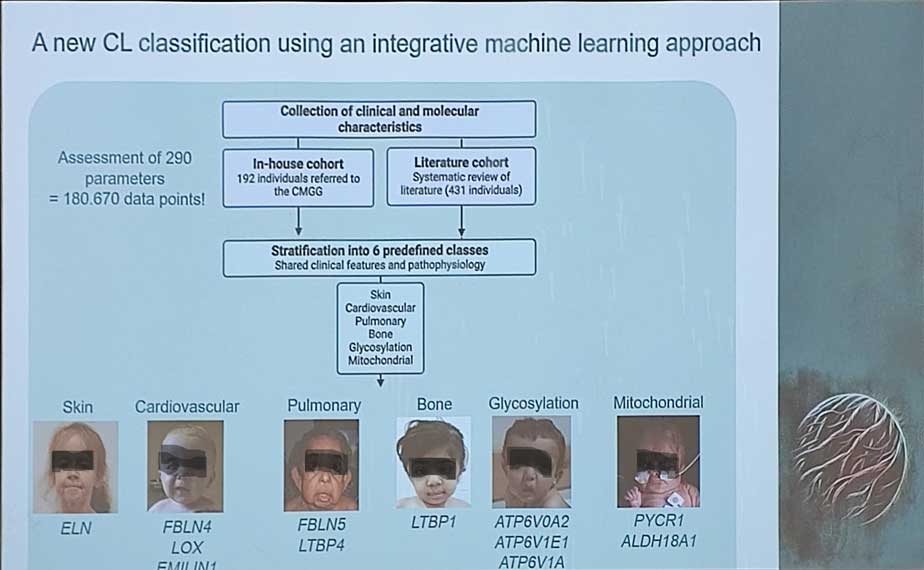
Dr A.Beyens presented the long piece of work that analizedg the different symptoms of all Cutis Laxa types. The files from the 192 patients of the in house cohort studied by Pr Bert Callewaert’s team as well as the cases published in literature were screened by Artificial Intelligency (AI) in order to group major symptoms from all types.
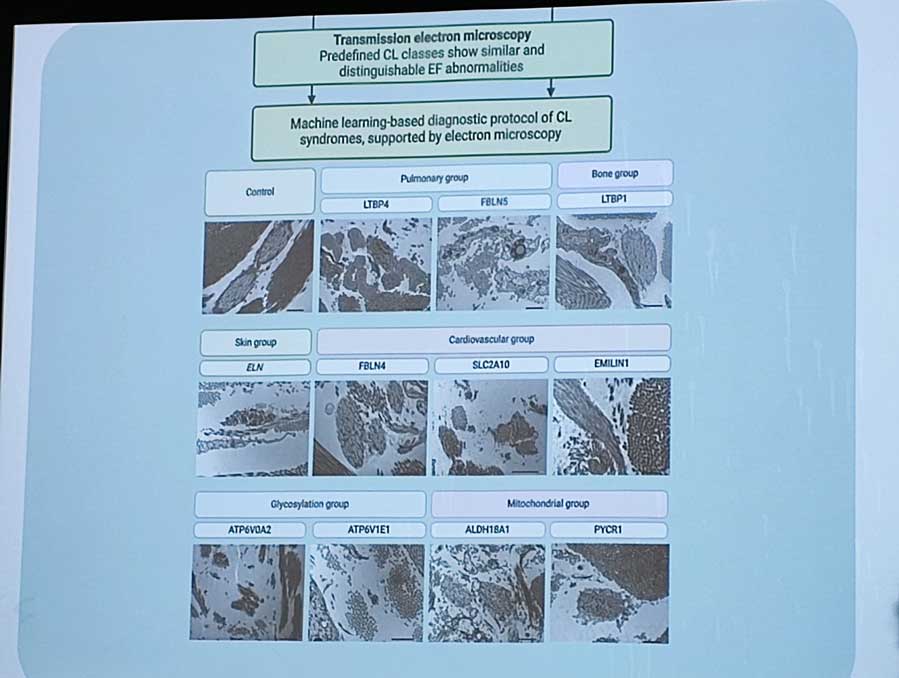
623 files were thus analysed. Clinical and molecular features, plus 290 parameters were taken into account which allowed AI to define 6 groups which share clinical ad pathophysiologic features : Skin, Cardiovascular, Pulmonary, Bone, Glycosylation and Mithocondrial. Moreover, these groups show significant differencies in the elastic fibers degradation.
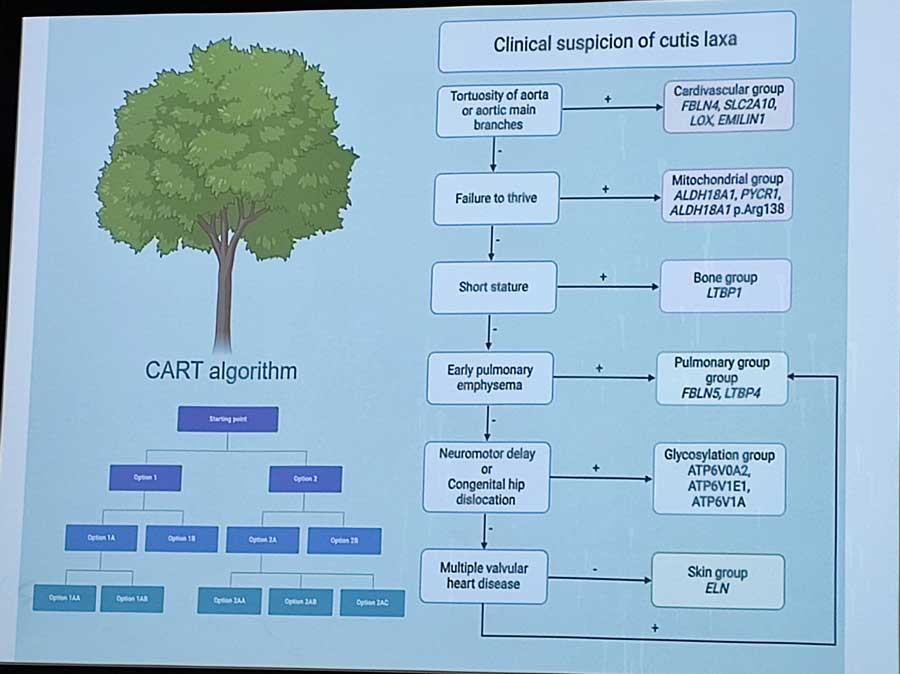
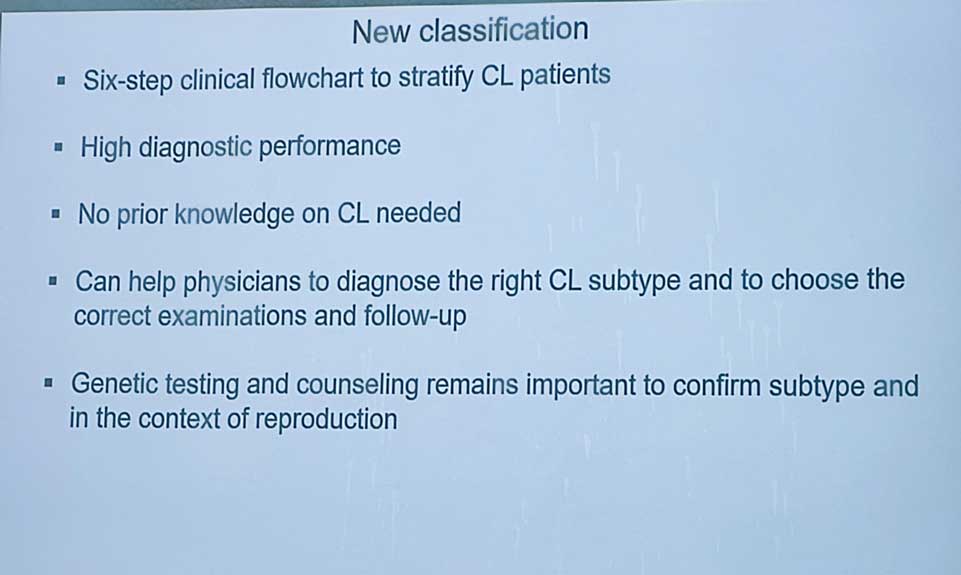
Thanks to this study, it is now possible to build a decision tree (CART Algorithm) that, depending on the clinical and pathophysiological signs, can determine a suspicion of the type of Cutis Laxa from which the patient is suffering. The results obtained have a reliability of nearly 90%. This does not diminish the need for genetic/molecular testing to confirm this suspicion. But, it allows to immediately organize the care and follow up needed depending on the type, without waiting for the 6 to 8 months needed for the genetic test results. It is a significant improvement to diagnostic delay and improved care for the patients.
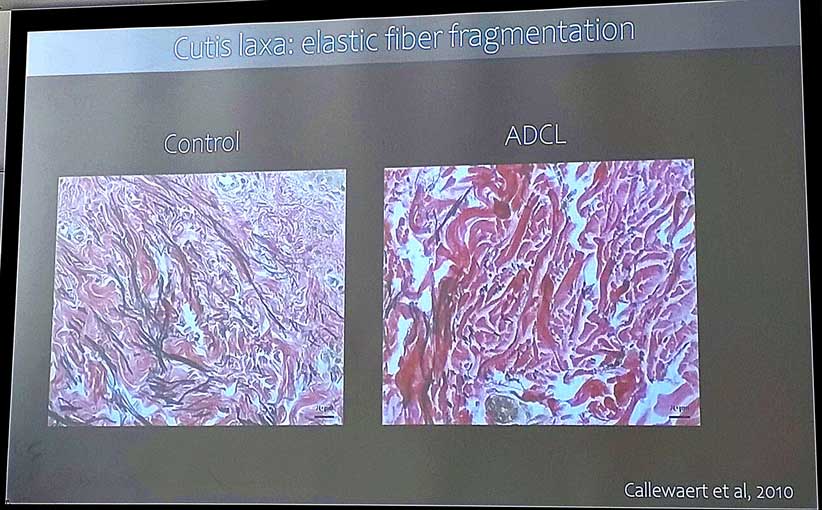
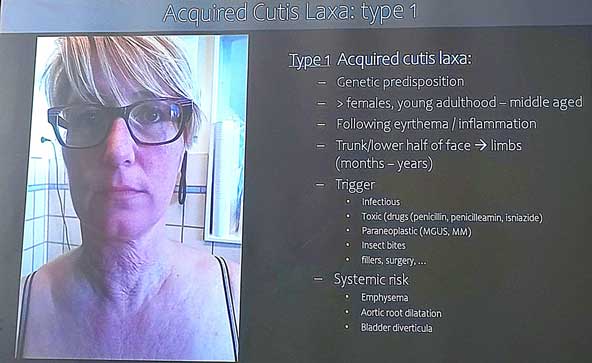
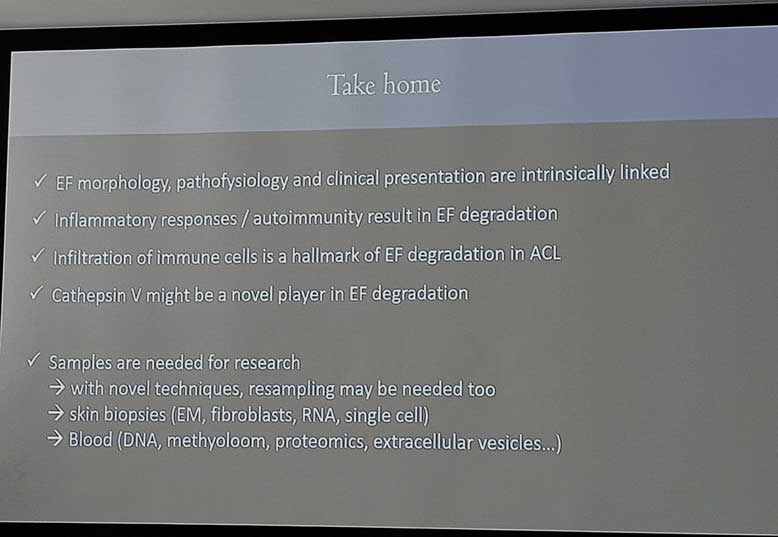
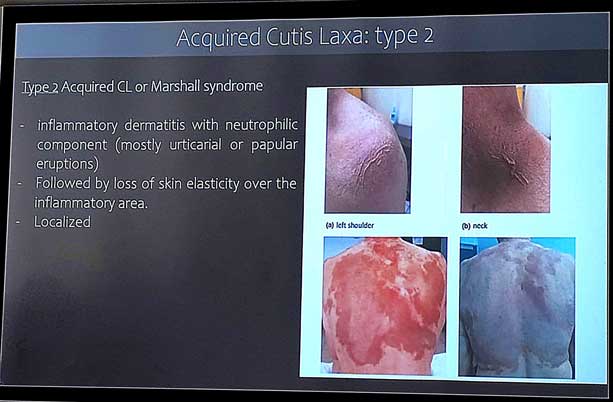
This type of Cutis Laxa still remains the worst known. Not included in the genetic forms, it can nevertheless be said that there is a predisposition to develop it or not. If, for a long time, we have been talking in a general way about Acquired Cutis Laxa Acquise, today we know that there are at least two different types, depending on the context in which it starts and the clinical signs it induces. Unlike the genetic types that show a defect on various stages of the « creation » of elastic fibers, Acquired Cutis Laxa Acquise shows as a destruction of those fibers. It is therefore a different process resulting from either an inflammatory or an autoimmune context. A lot remains to be discovered about Acquired Cutis Laxa Acquise but one must keep in mind that :
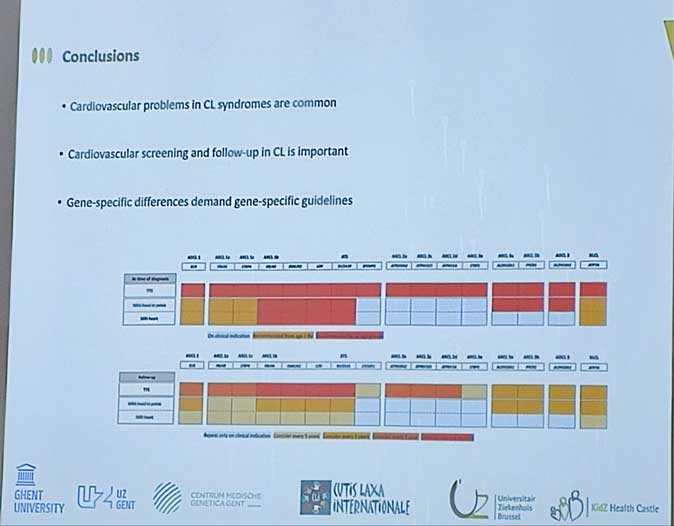
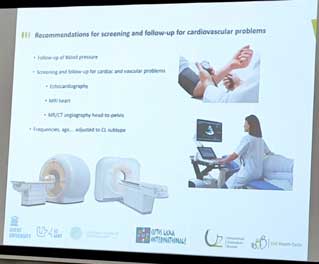
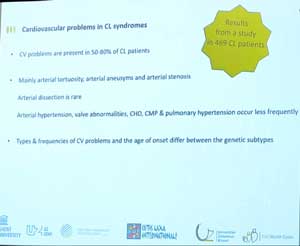
According to a study of 469 patients with CL, cardiovascular disorders are present in 50 to 80% of these patients, mainly tortuosity, arterial aneurisms or arterial stenosis. Several types of Cutis Laxa are specifically concerned : mutations FBLN4, SLC2A10, LOX et EMILIN1 with aortic and main aortic branches tortuosity and mutation ELN with multiple heart valve disorders. All these types need a specific cardiovascular follow-up. When suspecting one or the other type with those mutations in the new classification, it is mandatory to organise this follow-up without any delay. Blood pressure must be controlled, and it is also necessary to evaluate and follow up closely any heart or vascular trouble (echocardiography, MRI of the heart, MR/CT angiography head to pelvis). The frequency and age for these tests must be carried out depending on the type of CL. Difference in necessary follow up depending on genetic mutations demand gene-specific guidelines to be established for each known mutation..
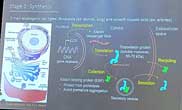
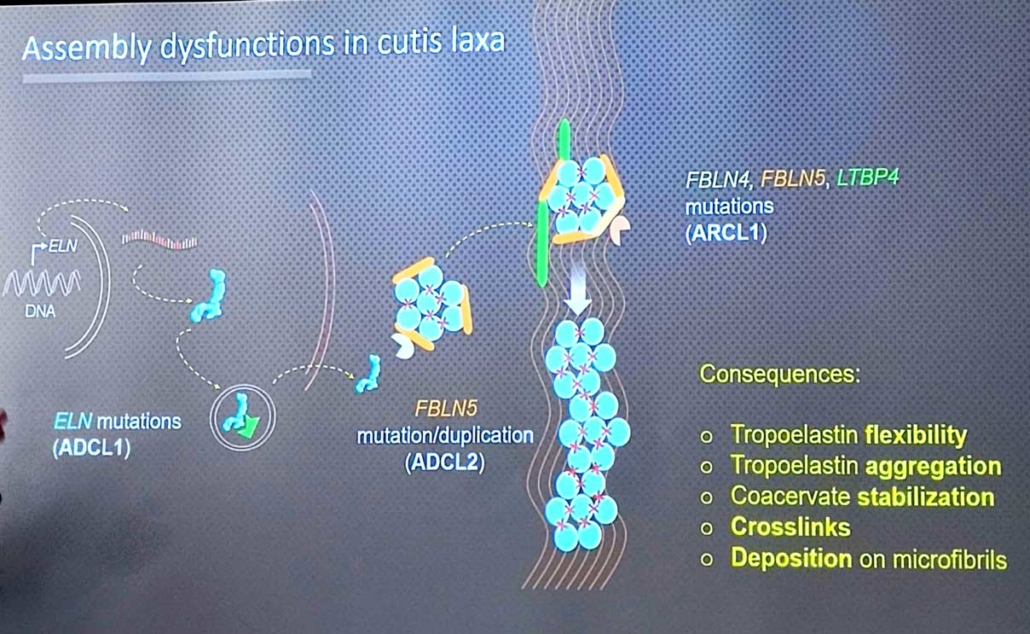
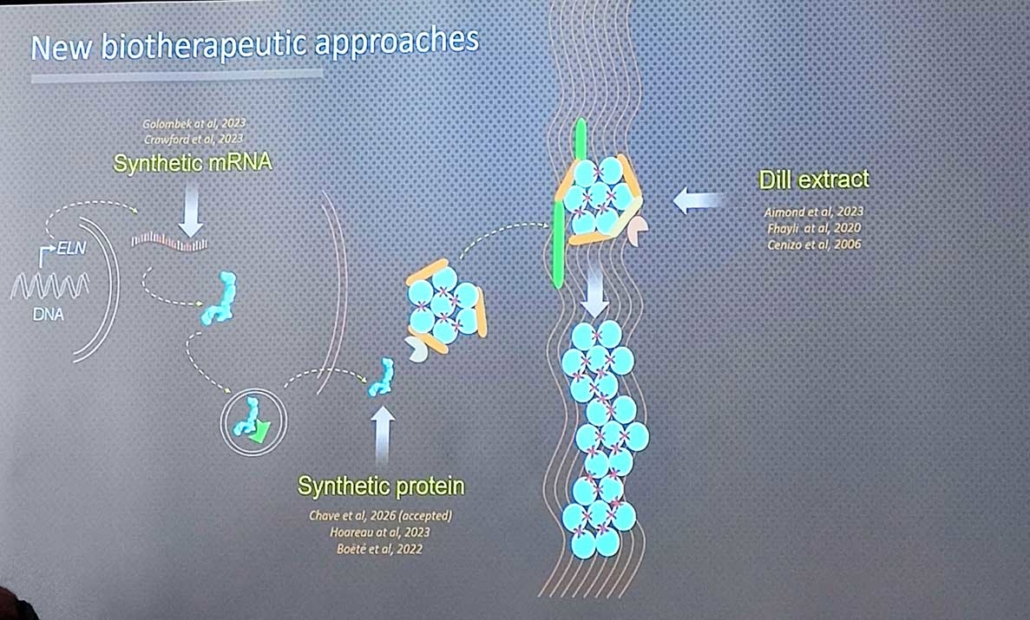
25 years ago, when we founded Cutis Laxa Internationale, access to a therapy seemed to be an unaccessible dream. Today thanks to researchers such as Romain Debret this hope is getting closer and therapeutic avenues are emerging.
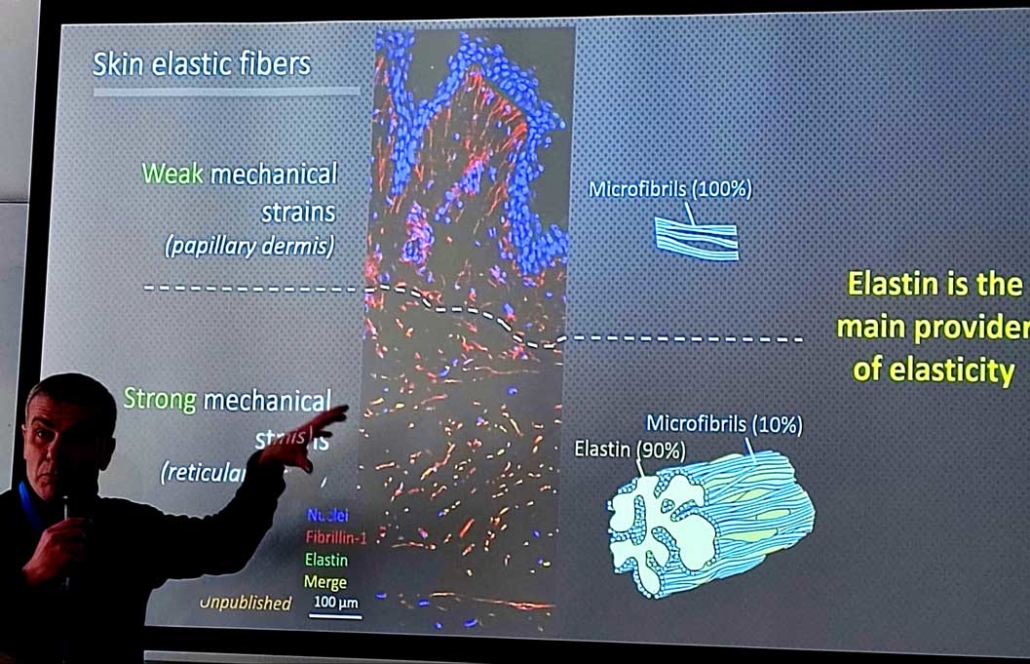
After recalling the elements that make up the structure of Elastic Fibers, and the place that troposelastin holds in them, he shared the fruit of his labors: Creating a synthetic tropoelastin that could replace the faulty one in Cutis Laxa. In vitro results are encouraging.
Yet we are still far from a possible therapy for humans, but hope starts to take shape.
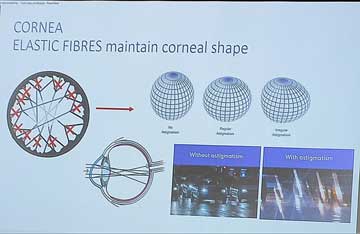
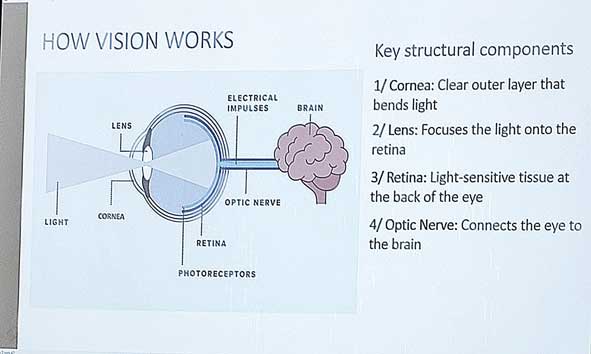
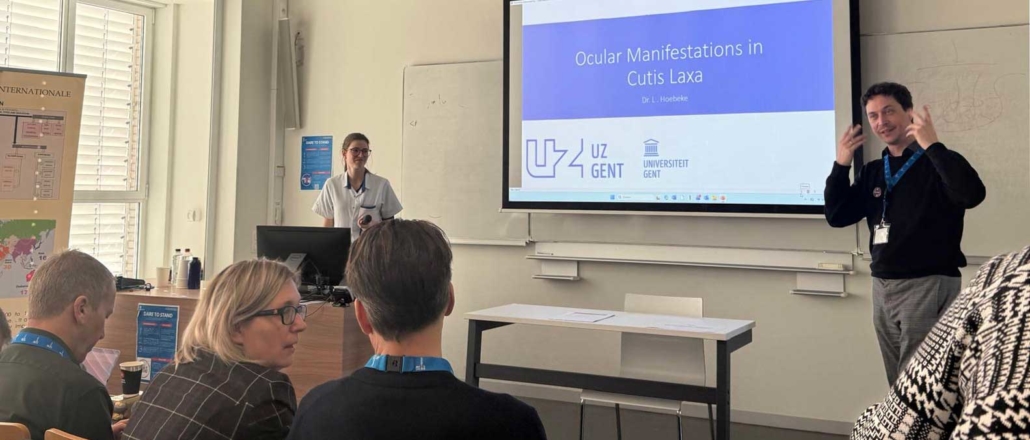
Elastic Fibers are present in almost all parts of our body, all our organs. Their absence, degradation or malfunction may then have consequences at all levels. This is how our vision can be impacted by Cutis Laxa. Dr Hoebeke explained how eyes are functionning and how Cutis Laxa can alter it.
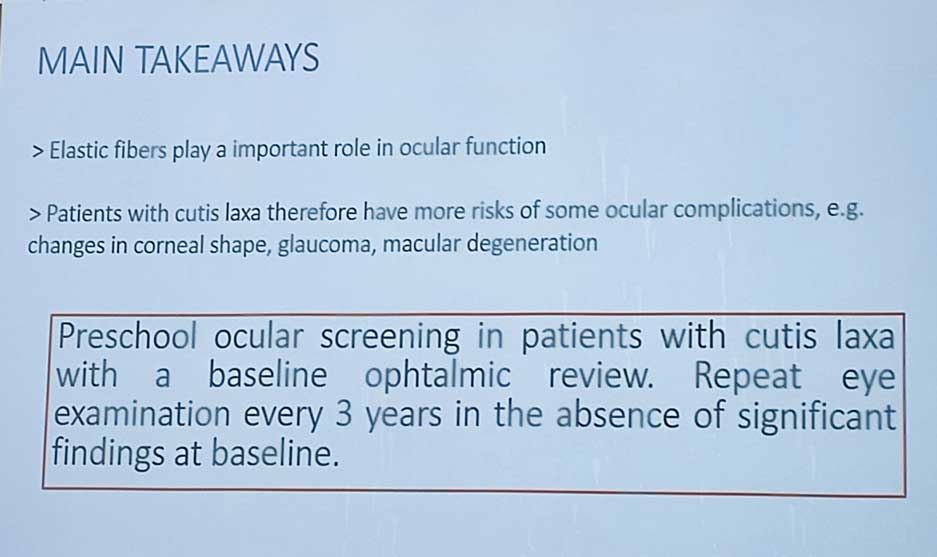
It is at the level of the cornea that the elastic fibers intervene to maintain its shape thanks to an element that could be compared to a trampoline. The appearance of glaucoma and macular degeneration are all possible consequences of Cutis Laxa in ophthalmology. This is why preschool children must be tested early. In case of absence of signs, the evaluation must be made every 3 years.
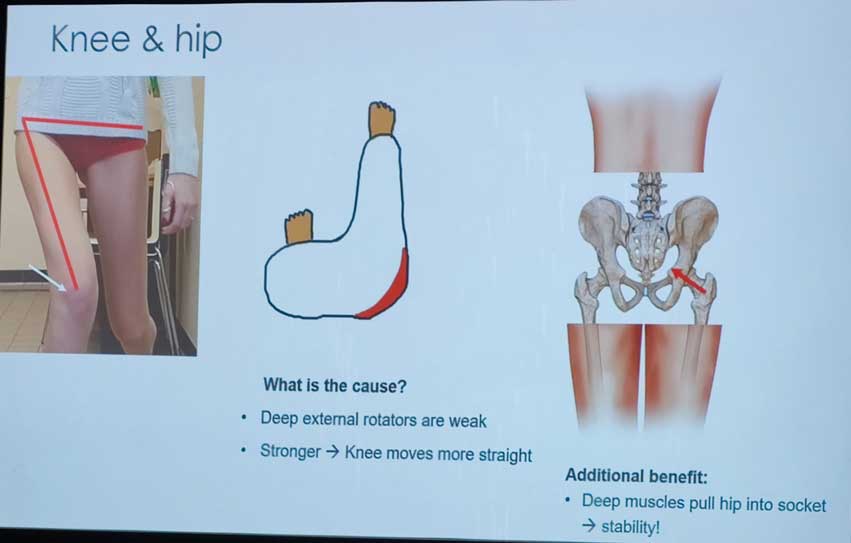
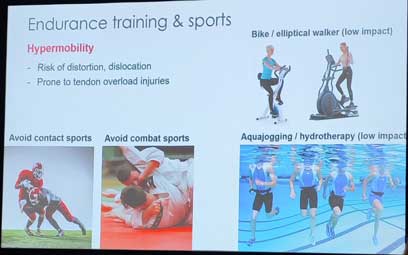
Our joints allow our body to move: waking, climbing up and down, kneeling, eating, washing, writing,etc, all these actions solicit our body and our 4 limbs. Hypermobility or weakness of our joints lead to poor positioning and bad postures. Muscle strengthening and physiotherapy can overcome these difficulties. However, not all sports are accessible to patients with Cutis Laxa due to other associated symptoms. Thus, for patients with cardiovascular disorders, certain sports are too demanding and not recommended. There are alternatives and the choice of sport must take them into account.
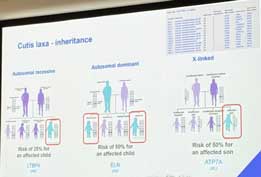
For all young people with Cutis Laxa, girls or boys, parenthood raises many questions: Can I transmit my disease? How? What are the risks? In the event of pregnancy, can I find out if my future child could be affected? etc.
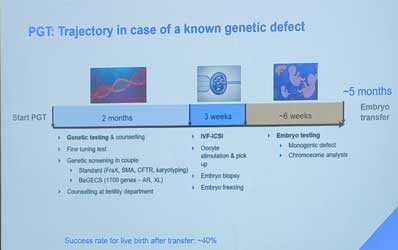
All these questions and many others are rarely highlighted in multidisciplinary consultations for rare diseases. We were fortunate at this conference to have Dr. Kumps and Dr. Symoens address them clearly. To begin with, they recalled the differences in transmission depending on whether the disease is dominant or recessive. These differences imply a percentage of risk from simple to double. They then moved on to the process and procedure of a preimplantation analysis in the event of a known mutation, when future parents wish not to transmit the mutation. It is a process that can last about 5 months with 40% success of a viable pregnancy after implantation of the embryo.
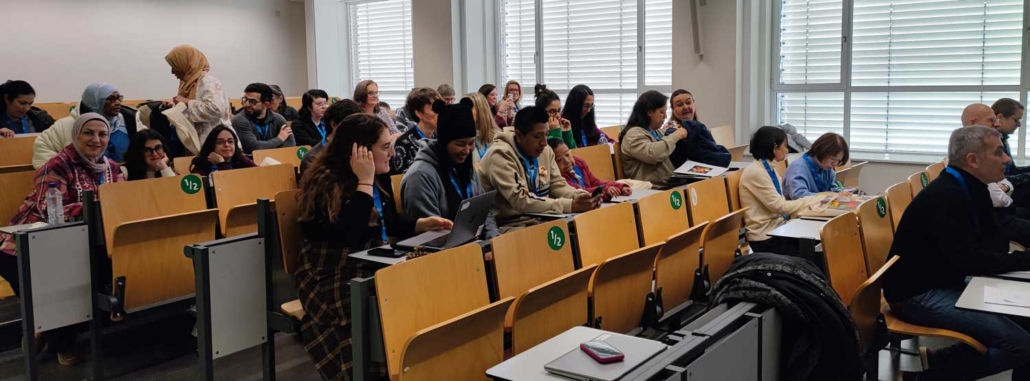
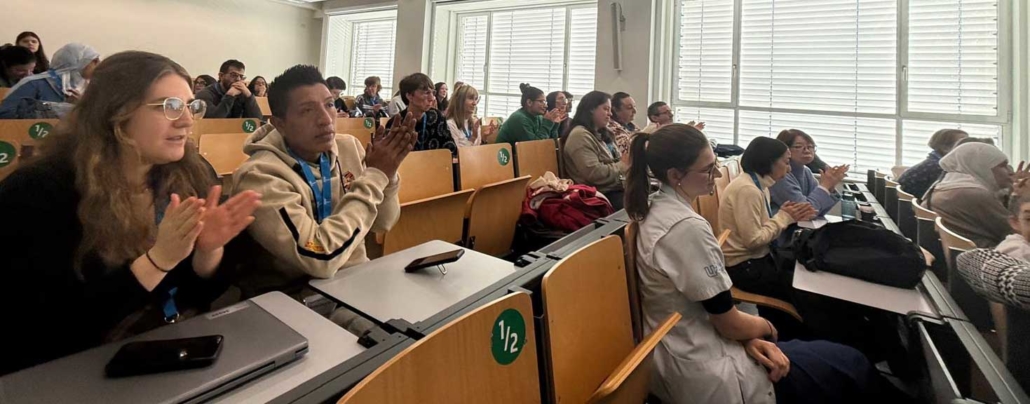
….the floor was open to the audience – patients and family members, and we heard a dialogue between doctors, researchers and patients in order to better understand their needs and how they might relate to research. Their opinions will enrich the list of projects to be carried out by the consortium to improve their daily lives and their experience with the disease.
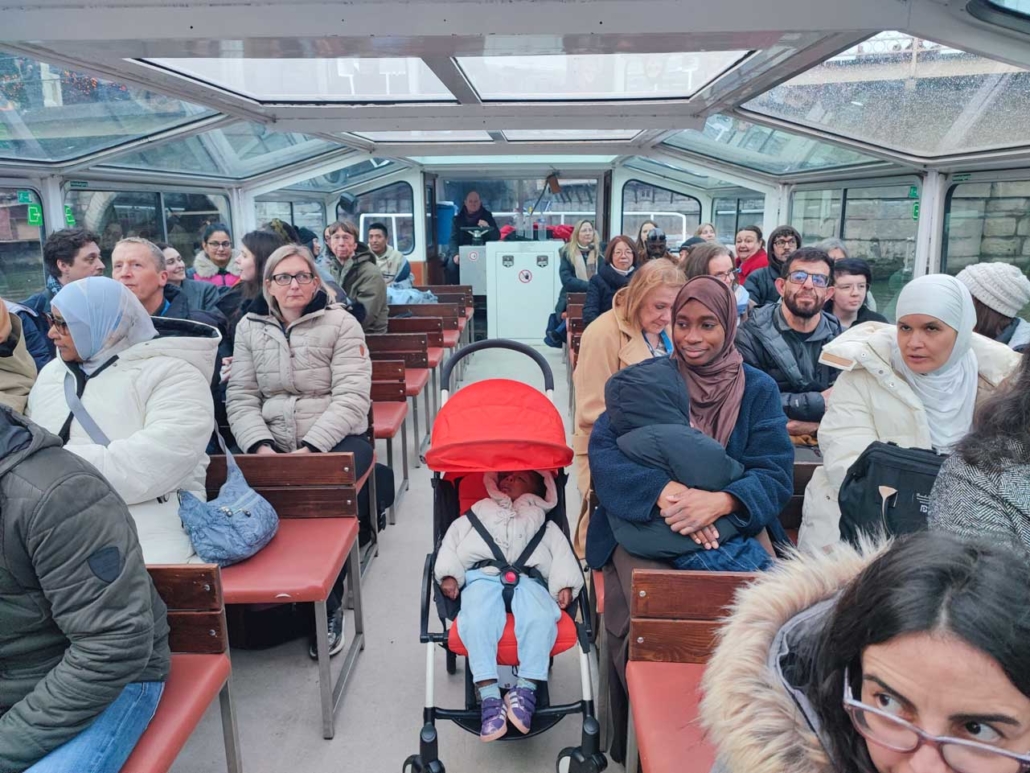
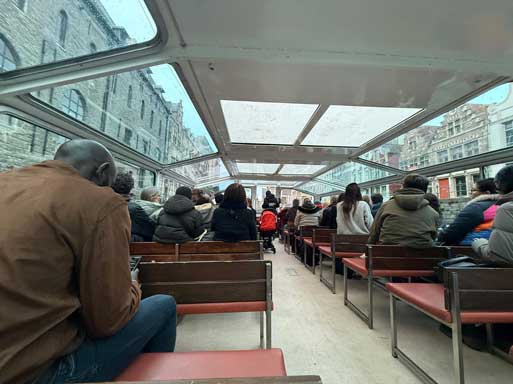
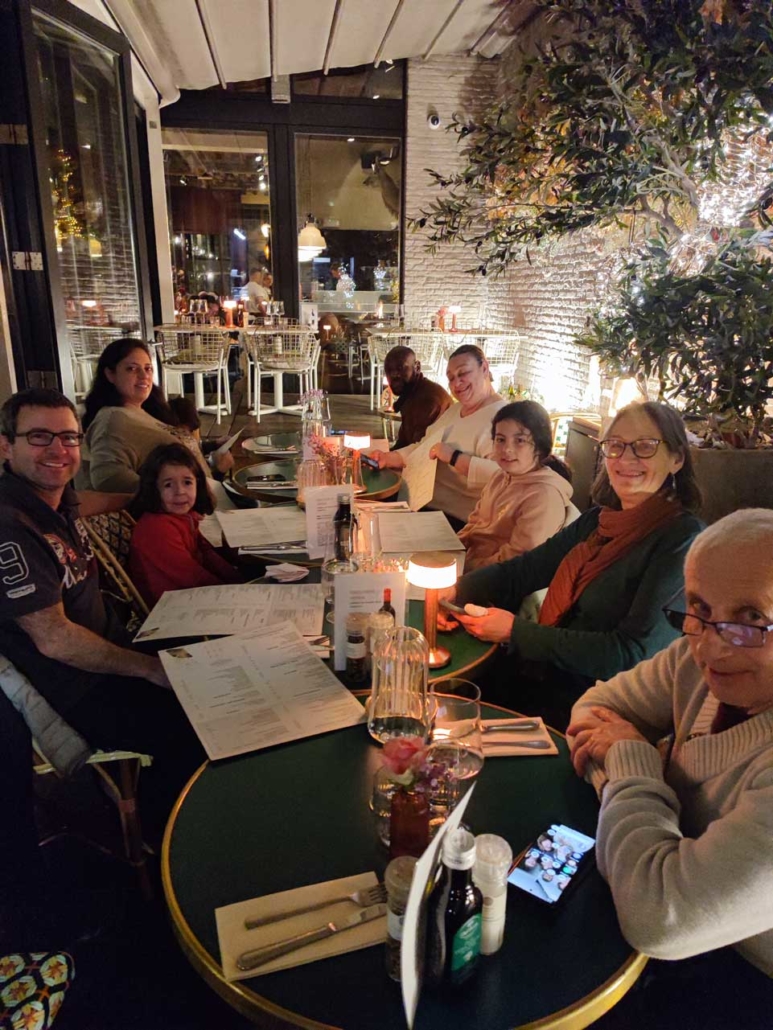
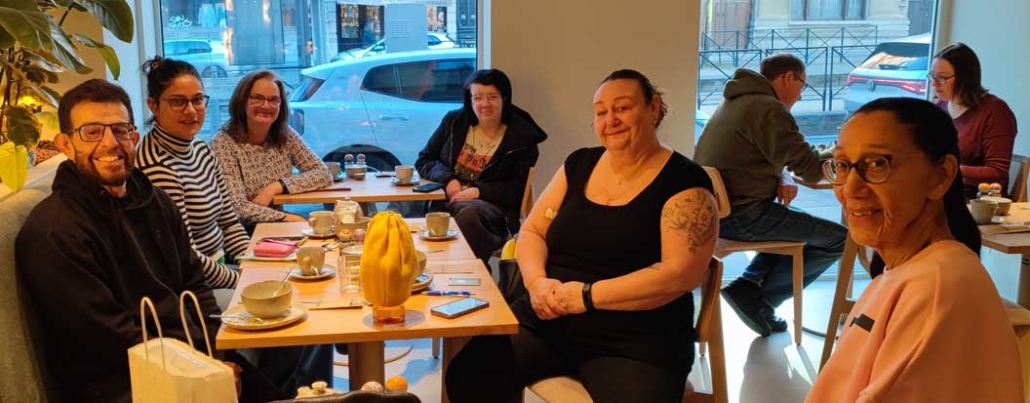
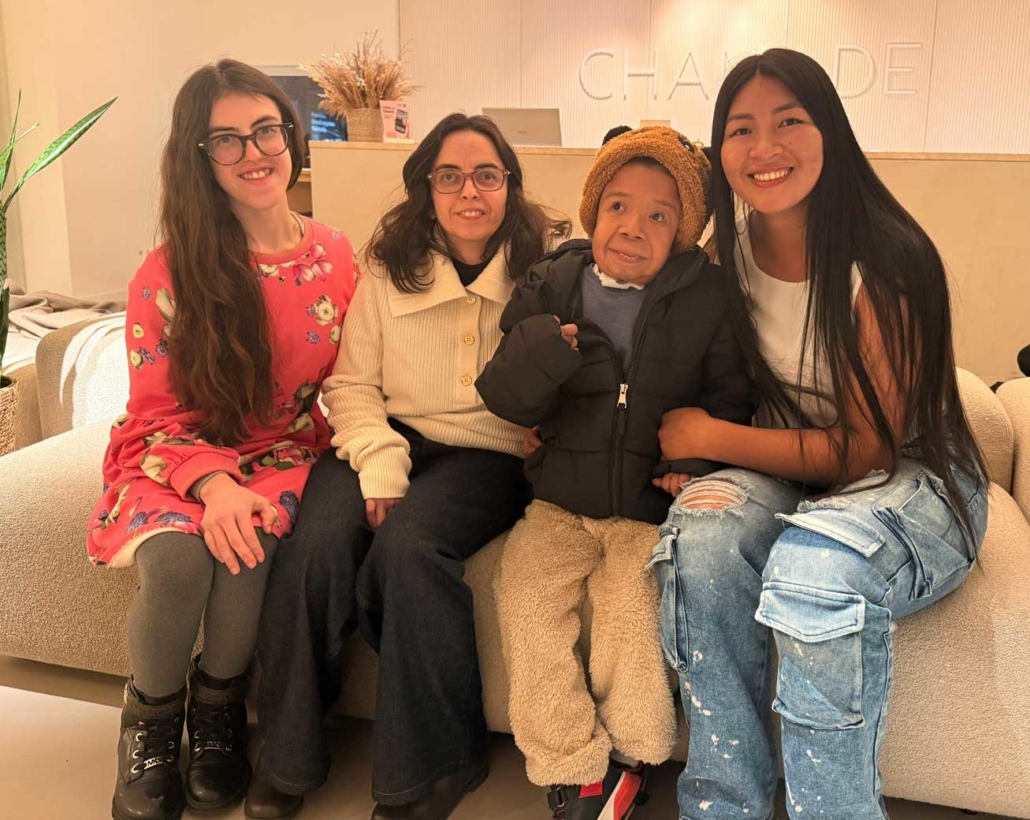
After the conference, we gathered in Ghent for a boat tour and dinner with speakers and their families. A few photos to capture the value of connecting together.
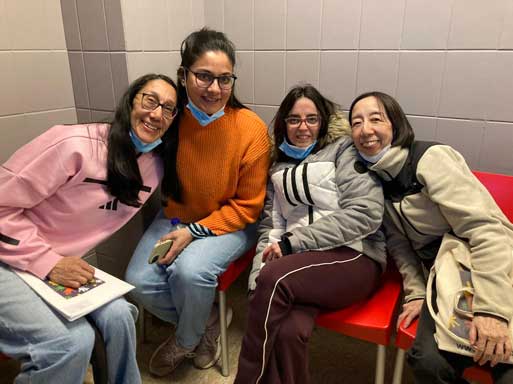
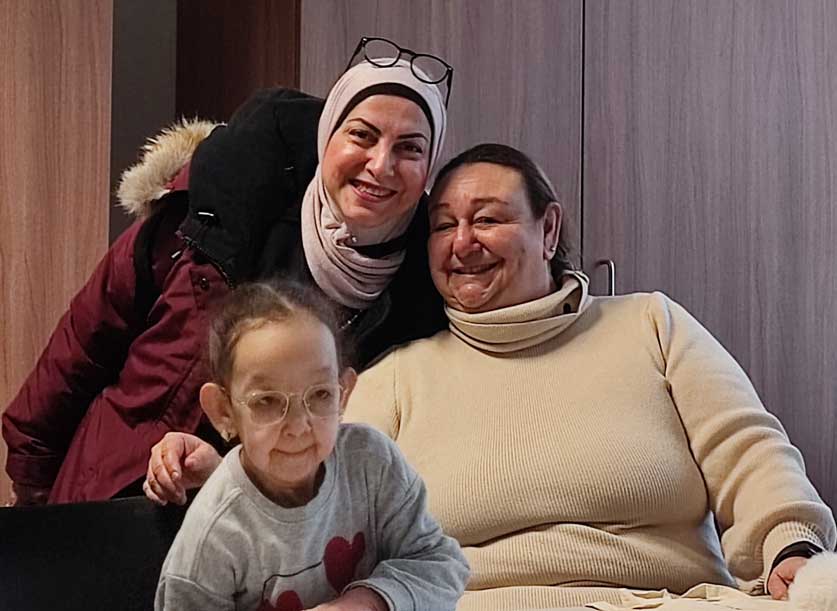
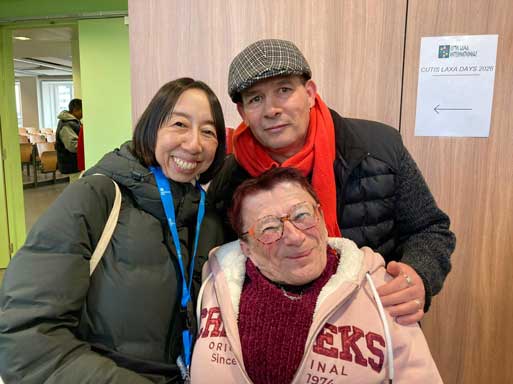
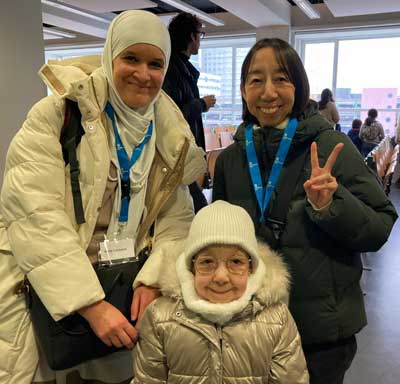
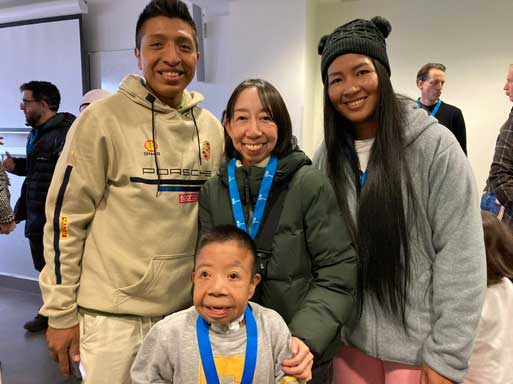
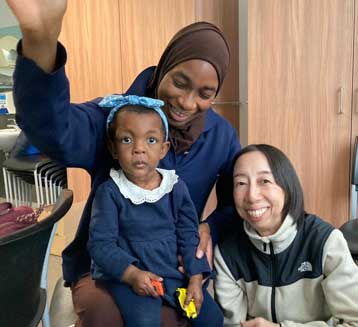
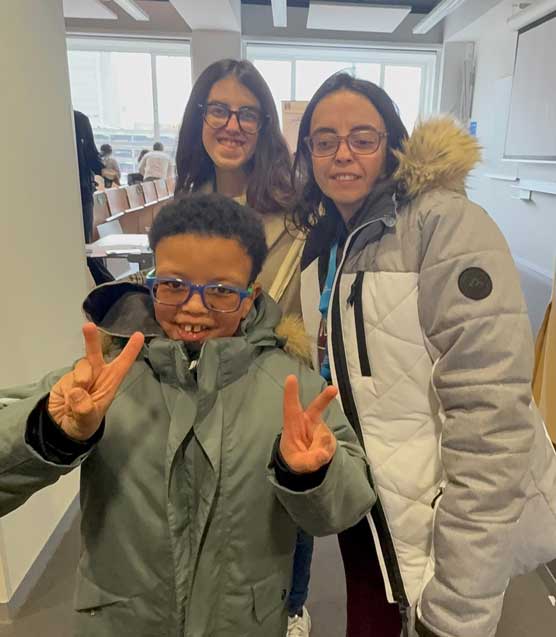
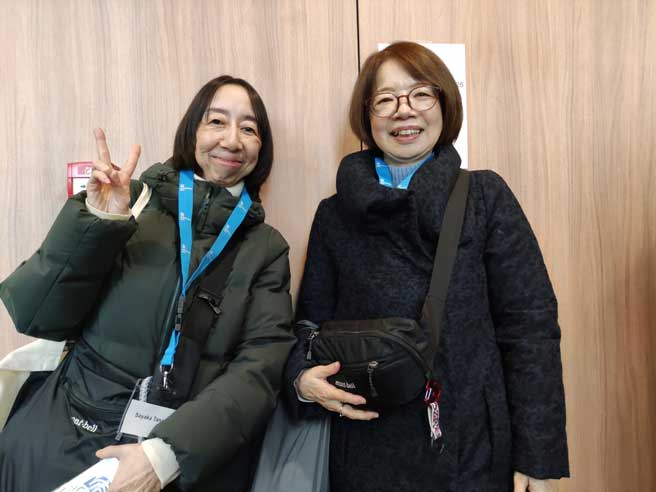
The Cutis Laxa Days are defined by connection—an opportunity to exchange with others who share the same daily realities, concerns, and experiences.
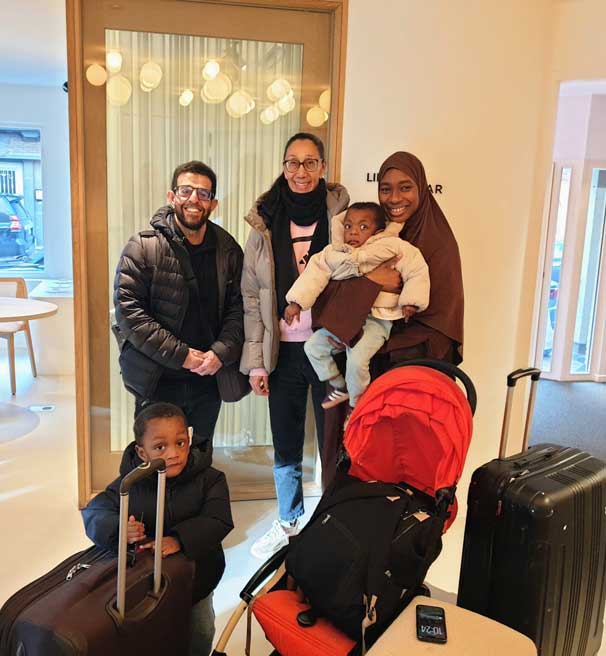
From all corners of the world, people came together: Japan met Colombia, Greece befriended Sweden, Canada and Germany laughed together, France and Lebanon chatted, the United States and the United Kingdom explored side by side.
In total, 18 patients were present, some reconnecting from previous editions, others meeting for the first time.
The last two days were devoted to medical consultations. Genetics, pulmonology, cardiology, ophthalmology, blood tests and biopsies, everyone’s program was very busy. A large room had been reserved for patients and their companions and, between appointments, the children played and the adults chatted. For those who had come with their families, the presence of the volunteers of Cutis Laxa International was welcome to take care of the siblings and free parents.
The support of everyone was necessary. All these appointments are very exciting and allow patients to take stock of the necessary care and to learn more about their disease. In addition, these consultation days are an opportunity for patients to participate in the research program so that Cutis Laxa is better known and patients better monitored
Thank you to all those who, through their commitment or their donations, have enabled us to make these days a success: